A Practical Guide to Organizing Local Storytelling Events
Storytelling events can foster community ties, celebrate local culture, and provide a platform for sharing diverse experiences. Organizing such events requires careful planning and consideration to ensure they resonate with the audience. This guide outlines effective methods for creating memorable storytelling events, grounded in research and best practices.
Understanding the Importance of Storytelling
According to research conducted by the National Storytelling Network, storytelling is a powerful tool that can enhance communication and connection within communities. Experts suggest that sharing personal narratives not only strengthens relationships but can also facilitate discussions about local challenges and solutions. This works because it allows individuals to see the world through someone else's perspective, promoting empathy and understanding.

"Storytelling is the most powerful way to put ideas into the world today." - Robert McKee
Steps to Organize a Local Storytelling Event
When planning a storytelling event, consider the following actionable steps:
- Define Your Goals: Establish what you aim to achieve with your event. This could range from fostering community bonds to highlighting local issues. A clear objective will guide your planning process and help in measuring success later.
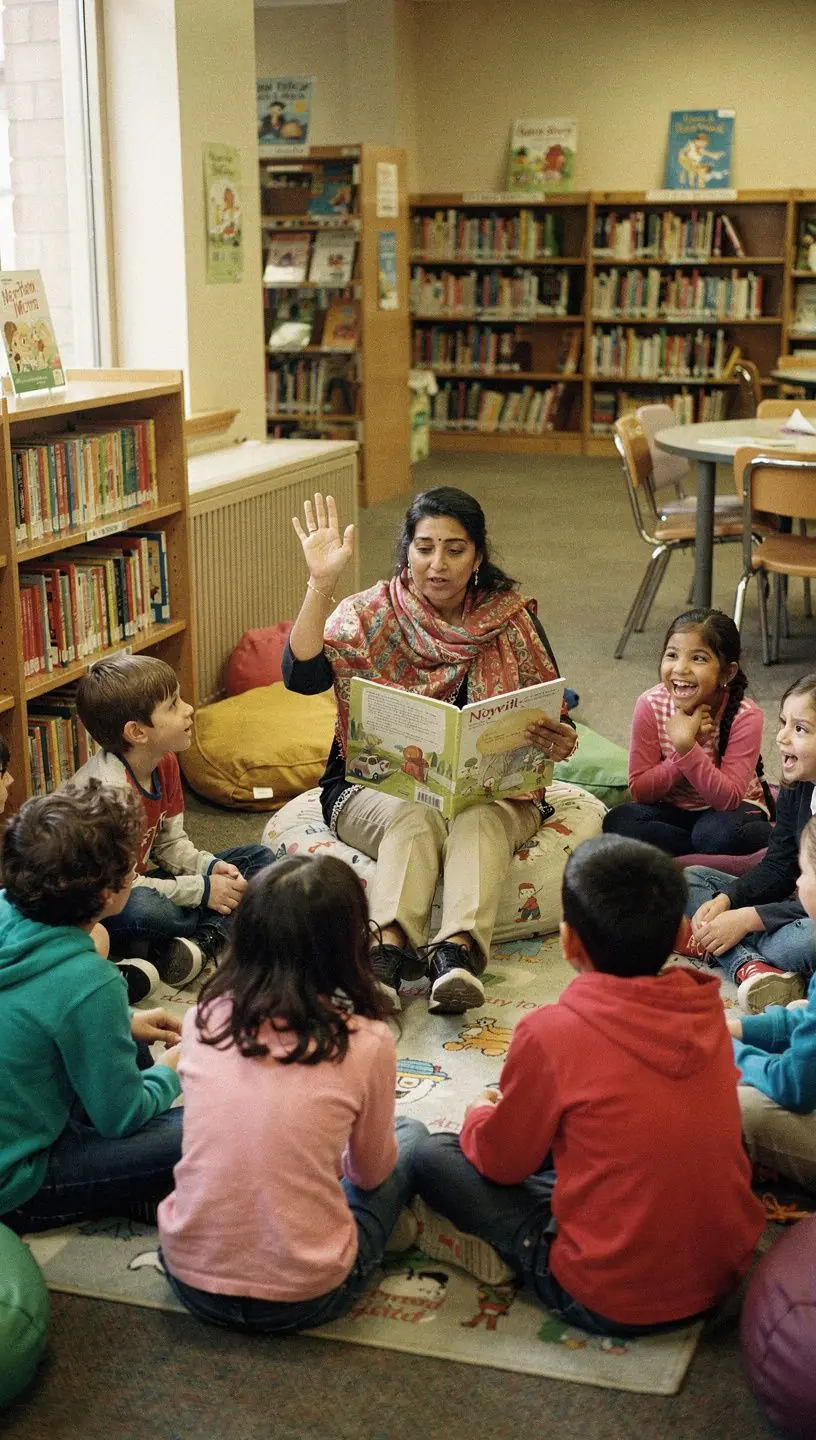
- Select a Venue: Choose a location that is accessible and conducive to storytelling. According to studies, spaces that encourage intimacy and engagement typically yield better storytelling experiences. Community centers, local parks, or libraries can be excellent options.
- Promote Your Event: Use social media, community boards, and local newsletters to spread the word. Many users report that effective promotion can increase attendance significantly. Ensure your messaging emphasizes the benefits of participation, such as community bonding and learning from shared experiences.
- Facilitate Participation: Encourage a welcoming environment where everyone feels comfortable sharing. This may involve providing guidelines on storytelling techniques or offering practice sessions prior to the event. Research indicates that participants are more likely to engage when they feel adequately prepared.
- Gather Feedback: After the event, solicit feedback from attendees to understand what worked and what could be improved. This process allows for ongoing enhancement of future storytelling events, fostering a culture of continuous improvement.
Challenges and Solutions
Organizing storytelling events can present various challenges, including low attendance or participant anxiety. To mitigate these issues, consider the following:
- Low Attendance: If attendance is typically lower than expected, reevaluate your promotion strategies. Engaging local influencers or community leaders to share the event can help increase visibility.
- Participant Anxiety: Many individuals may feel nervous about sharing their stories. To address this, create a supportive atmosphere by starting with icebreaker activities or showcasing a few stories yourself to set the tone.
- Logistical Concerns: Events may require a degree of logistical planning, such as audio equipment or seating arrangements. Allow time for setup and testing to enhance the experience for both storytellers and the audience.
Conclusion
Organizing local storytelling events can be a rewarding endeavor that nurtures community connections and fosters understanding among diverse groups. By following these practical steps and acknowledging potential challenges, you can create engaging and meaningful experiences. Remember, the key to a successful storytelling event lies in careful planning, genuine promotion, and open participation. With dedication and creativity, your storytelling event can become a cherished community tradition.