Exploring Local Folklore: Stories from CA Communities
California is a state rich in diverse cultures and traditions, making it a vibrant tapestry of folklore. This article delves into the unique stories that echo through its communities, highlighting the experiences and challenges faced by local residents as they preserve their heritage.
The Importance of Folklore in Community Identity
Folklore plays a crucial role in shaping community identity. According to cultural anthropologists, folklore can help solidify social bonds and provide a sense of belonging, especially in culturally diverse areas like California. This is evident in many communities where traditional stories, myths, and legends are passed down through generations.

"Folklore not only reflects the history and values of a community but also serves as a means of education and connection among its members." - Dr. Lisa Monroe, Folklore Scholar
Collecting Local Stories
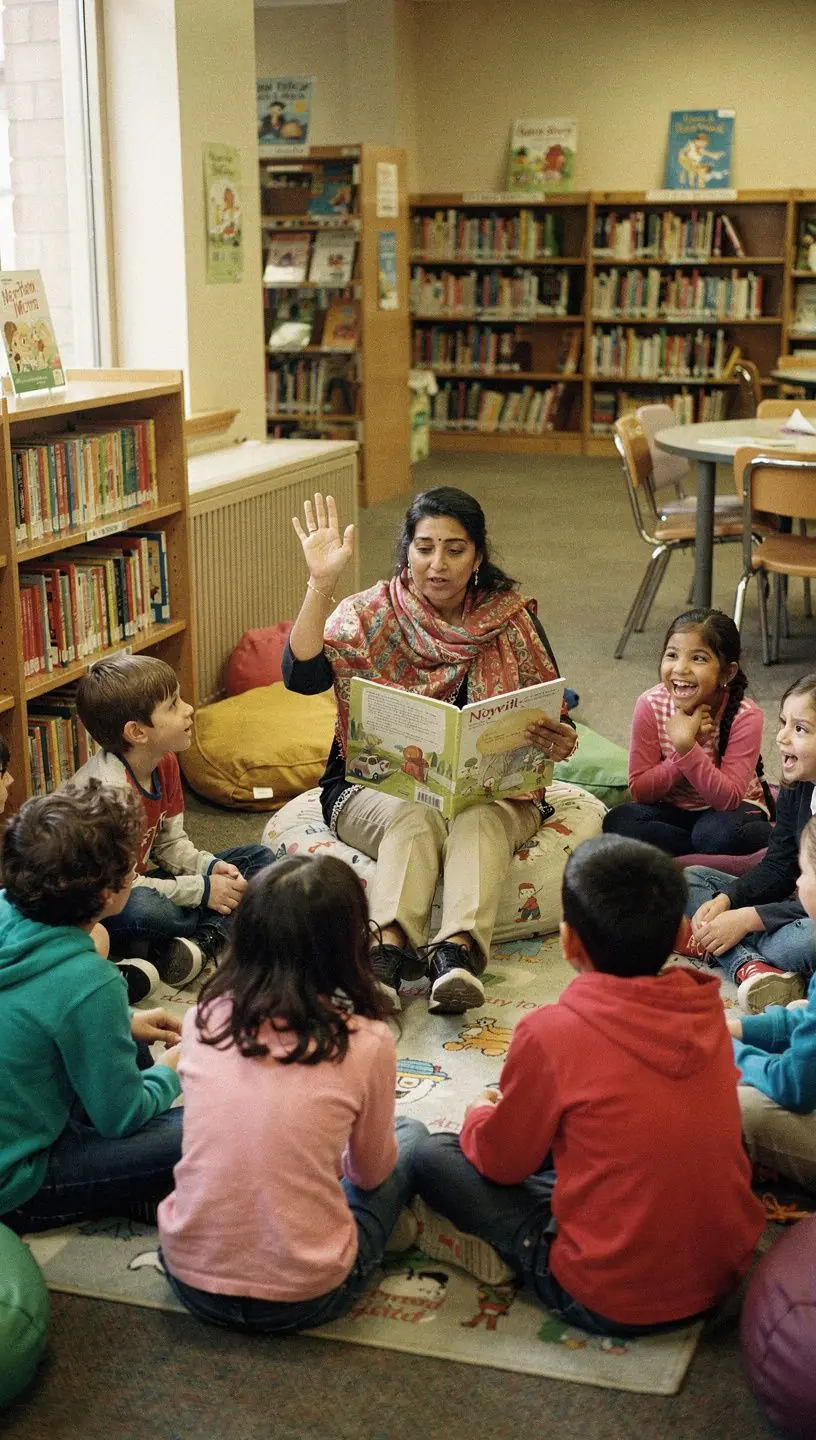
Documenting local folklore often involves community engagement and storytelling events. Residents are encouraged to share their personal tales, which may incorporate historical events, local heroes, or supernatural occurrences. Many community groups organize workshops or storytelling nights, where individuals can narrate their experiences. Research indicates that participatory storytelling can enhance community cohesion and support mental well-being, as noted by experts in social psychology.
Key Methods for Gathering Folklore
- Storytelling Workshops: Held in community centers, these workshops typically encourage residents to share their stories in a safe environment.
- Oral History Projects: These initiatives often involve recording stories from community elders, helping preserve invaluable cultural knowledge.
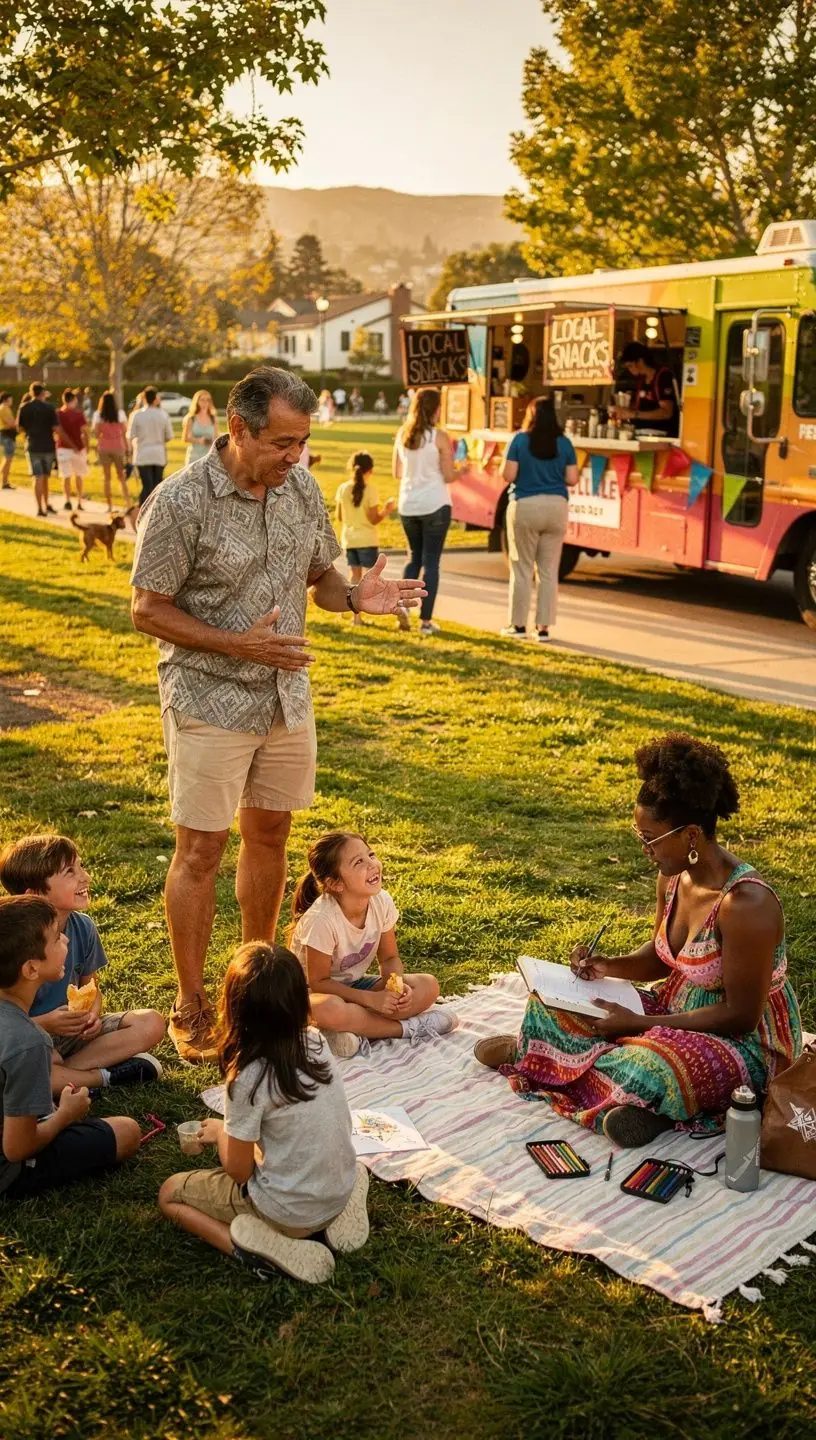
- Festivals and Events: Celebrating local folklore through festivals can attract community members and visitors alike, fostering a shared sense of pride.
Challenges in Preserving Folklore
Despite the efforts to document and share local folklore, various challenges persist. Many communities face the risk of losing their cultural narratives due to modernization and globalization. Studies show that as younger generations move towards urban areas, they may become disconnected from traditional storytelling practices. Therefore, it is essential to adapt folklore preservation efforts to engage younger audiences, often requiring innovative approaches, such as digital storytelling.
Strategies for Overcoming Challenges
- Embracing Technology: Utilizing social media and digital platforms can help in sharing stories widely and engaging younger audiences.
- Collaborating with Schools: Integrating folklore education into school curricula can help instill appreciation for local history among youth.
- Community Partnerships: Forming partnerships with local businesses and organizations can promote folklore initiatives and provide necessary resources.
Conclusion
Exploring local folklore in California communities reveals a rich heritage that is worth documenting and preserving. By engaging residents in storytelling and addressing challenges with innovative solutions, communities can nurture their cultural identity. As we celebrate these narratives, we not only honor the past but also strengthen the fabric of our present and future.