Documenting Cultural Festivals: A Community's Voice
Cultural festivals serve as vibrant expressions of community identity, heritage, and unity. This article explores how documenting these festivals can amplify local voices, address challenges, and foster solutions.
Understanding the Importance of Cultural Festivals
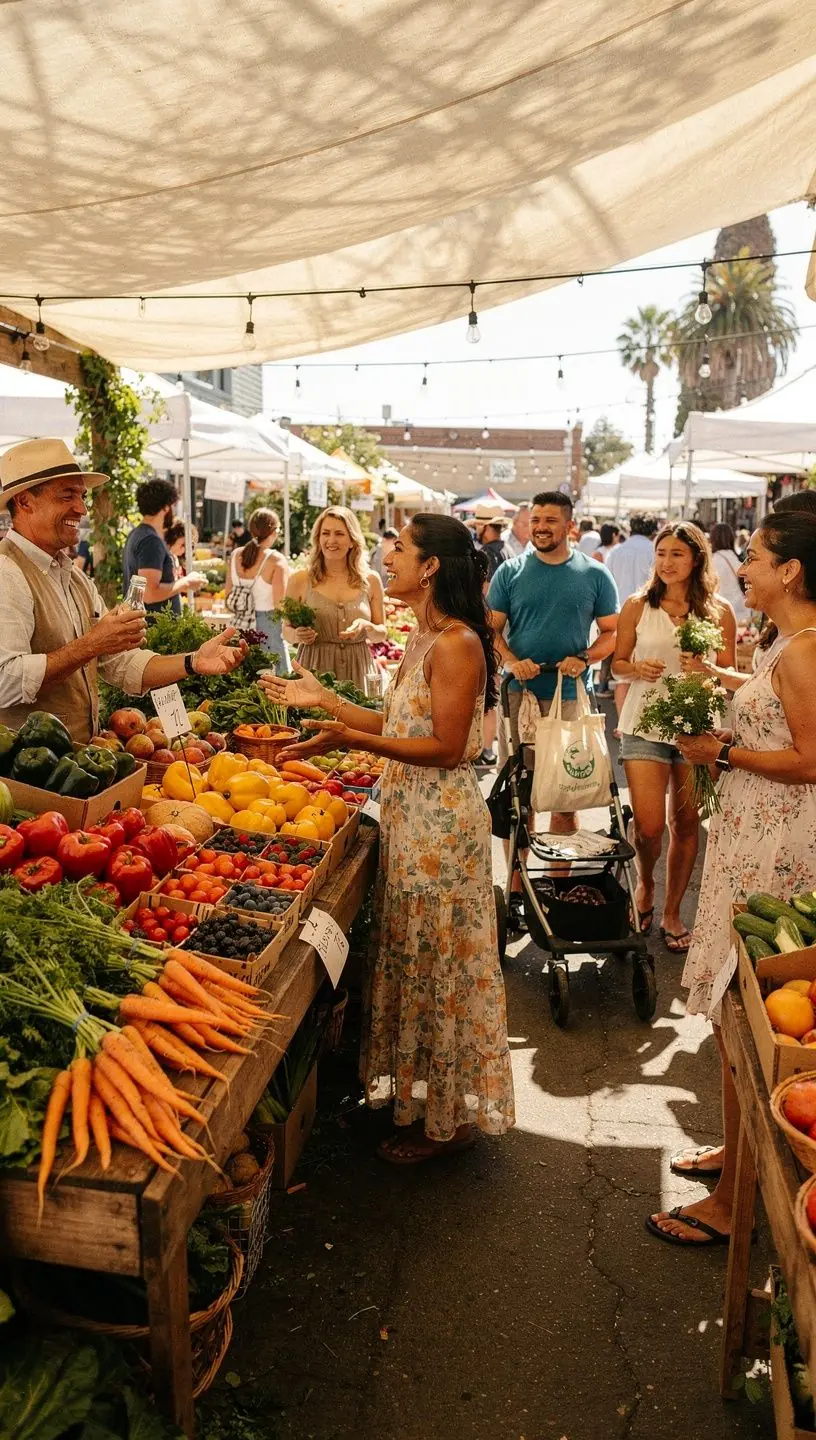
Cultural festivals are not just celebrations; they are key platforms for communities to express their values and narratives. According to research by the Canadian Arts Council, festivals promote social cohesion and have a positive economic impact, often attracting tourism and local business growth. Many communities report that annual events strengthen bonds among residents and create a sense of belonging.
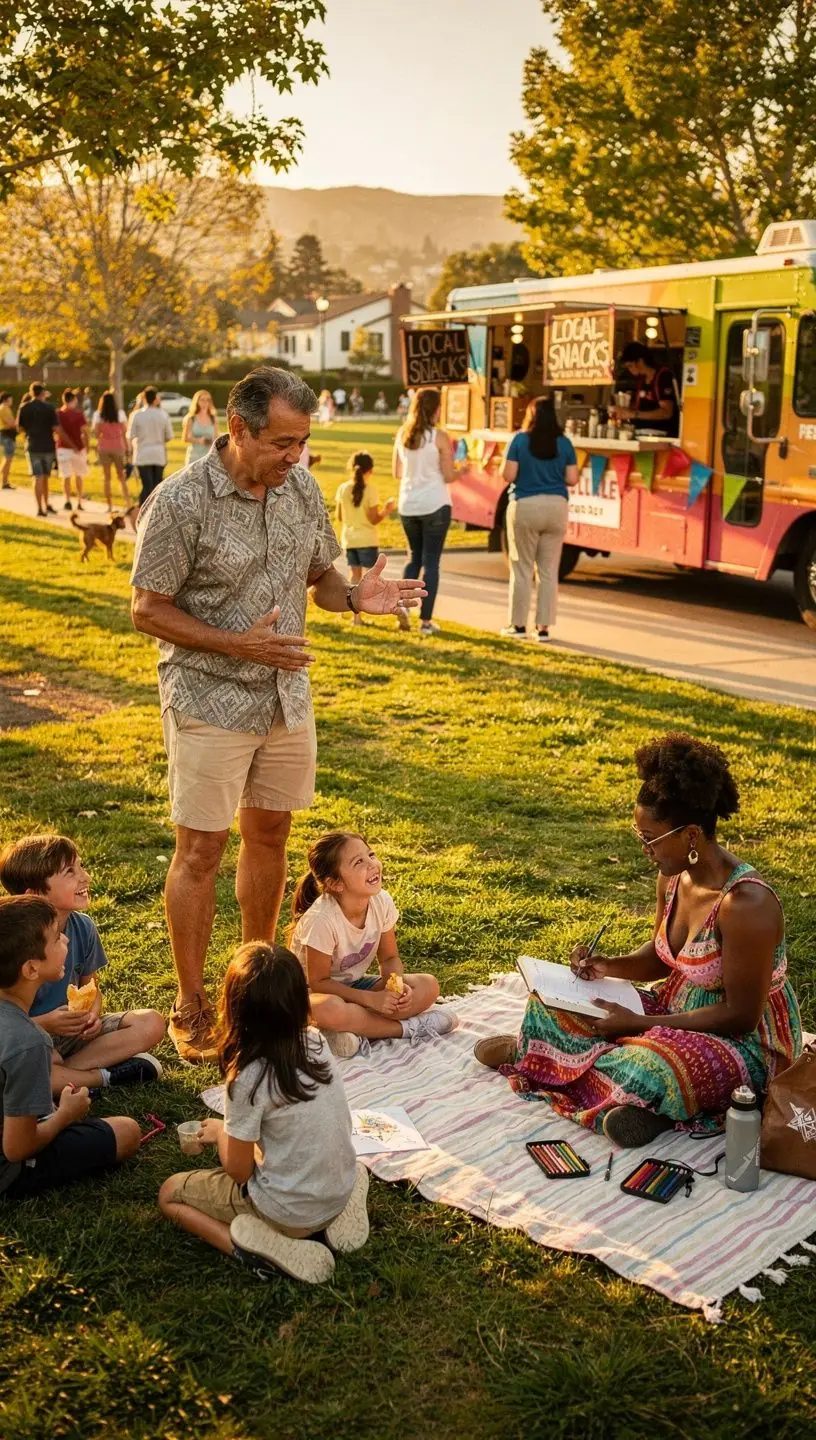
"Cultural festivals are vital for preserving heritage and building community identity." - Dr. Sarah Thompson, Cultural Anthropologist
Documenting Festivals: How and Why
Documenting cultural festivals involves capturing stories, traditions, and challenges through various media, such as photography, video, and written narratives. This process is crucial because:
- Preservation: Documentation helps preserve cultural practices and stories for future generations.
- Awareness: Sharing these experiences raises awareness about the community's unique challenges and achievements.
- Engagement: Engaging community members in the documentation process fosters participation and ownership of their cultural narrative.
Typical Challenges Faced in Cultural Festivals
While cultural festivals bring many benefits, they also face challenges that can hinder their success. Common issues include:
- Funding: Many festivals rely on limited public funding or sponsorships, which can fluctuate annually.
- Participation: Engaging a diverse audience can be difficult, especially in multicultural regions.
- Logistics: Coordinating events requires careful planning and resources, often stretching volunteer efforts thin.
Addressing these challenges typically requires collaboration among community members, local governments, and organizations. Experts recommend involving stakeholders early in the planning process to ensure that diverse voices are heard and that solutions reflect the community's needs.
Strategies for Effective Documentation
To effectively document cultural festivals, consider the following strategies:
- Utilize Technology: Leverage social media platforms and websites to share live updates and engage wider audiences.
- Encourage Participation: Involve local artists, historians, and residents in the documentation process to enrich the narratives.
- Focus on Storytelling: Capture personal stories and testimonials that reflect the community's experiences and challenges.
Conclusion
Documenting cultural festivals plays an essential role in amplifying community voices and fostering understanding. While challenges are inherent in organizing and documenting these events, the collective effort of community members can lead to effective solutions. By recognizing the value of cultural narratives, we not only preserve our heritage but also pave the way for future generations to thrive.