Exploring the History of California's Diverse Communities
California, known for its breathtaking landscapes and vibrant culture, is home to a rich tapestry of communities. Understanding the diverse histories of these communities not only provides context for their current challenges but also highlights their resilience and solutions.
The Roots of Diversity in California
California’s diversity can be traced back to its early inhabitants. According to research by the California Department of Parks and Recreation, over 100 distinct Native American tribes inhabited the region long before European contact, each with unique customs and languages. This early diversity laid the foundation for the multicultural society California is today.
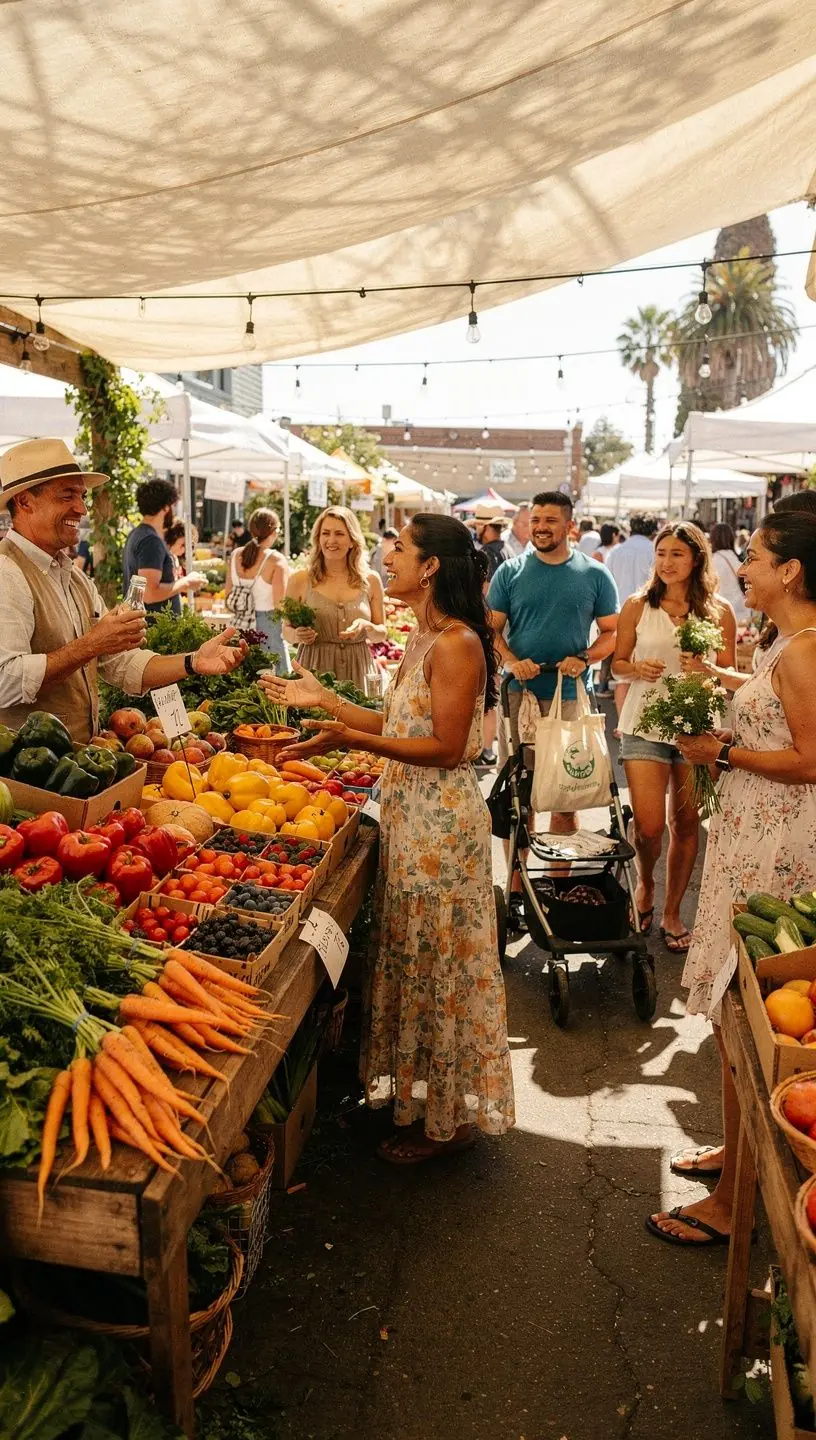
"The blending of cultures creates a unique social fabric that defines California." — Cultural Historian, Dr. Lisa Garcia
Major Waves of Immigration
Throughout the 19th and 20th centuries, California experienced significant immigration waves, each contributing to its cultural landscape. The Gold Rush of 1849 attracted thousands globally, including many immigrants from China, Mexico, and Europe. According to studies conducted by the Public Policy Institute of California, this influx established communities that often faced challenges but also contributed to economic growth.
Chinese Immigration
Chinese immigrants played a pivotal role in building the transcontinental railroad, which significantly connected the country and facilitated trade. Despite facing discrimination, many established thriving communities, such as San Francisco's Chinatown, which remains a cultural hub today. This resilience often exemplifies how communities adapt and overcome societal challenges.
Mexican Influence
With California’s geographical proximity to Mexico, Mexican culture has profoundly impacted the state. The 1848 Treaty of Guadalupe Hidalgo, which ceded California to the United States, marked a significant shift. Many Mexican families remained, maintaining their traditions and influencing California's cultural identity. Studies show that regions with active Mexican communities often celebrate their heritage through festivals, food, and art, enhancing the local culture.
Contemporary Challenges and Solutions
Today, California’s diverse communities continue to face various challenges, including economic disparity and social injustice. However, many are actively finding solutions. Community organizations often focus on educational programs and advocacy to address these issues. For example, the California Immigrant Policy Center works to promote the rights of immigrants through policy reform, reflecting a growing trend where community action leads to tangible change.
- Community Engagement: Local organizations encourage residents to participate in decision-making processes, promoting equity.
- Education Initiatives: Programs aimed at improving literacy and job training have proven effective in enhancing economic opportunities for marginalized groups.
- Cultural Celebrations: Events like Día de los Muertos and Lunar New Year serve not only as celebrations but also as educational platforms, fostering understanding among diverse groups.
Preserving Cultural Heritage
Preserving the rich histories of California's diverse communities is crucial for future generations. Initiatives such as the California Cultural Resource Preservation Act emphasize the importance of protecting and celebrating cultural heritage. Experts suggest that promoting awareness of these histories encourages respect and appreciation among the state's residents.
"Understanding our history is fundamental to building a cohesive future." — Dr. Maya Rivera, Sociologist
Conclusion
Exploring the histories of California's diverse communities reveals a complex narrative of resilience and adaptation. While challenges persist, many communities demonstrate effective solutions that contribute to the state's rich cultural heritage. As we move forward, embracing this diversity will be essential in fostering a more inclusive society for all Californians.
Learn More